


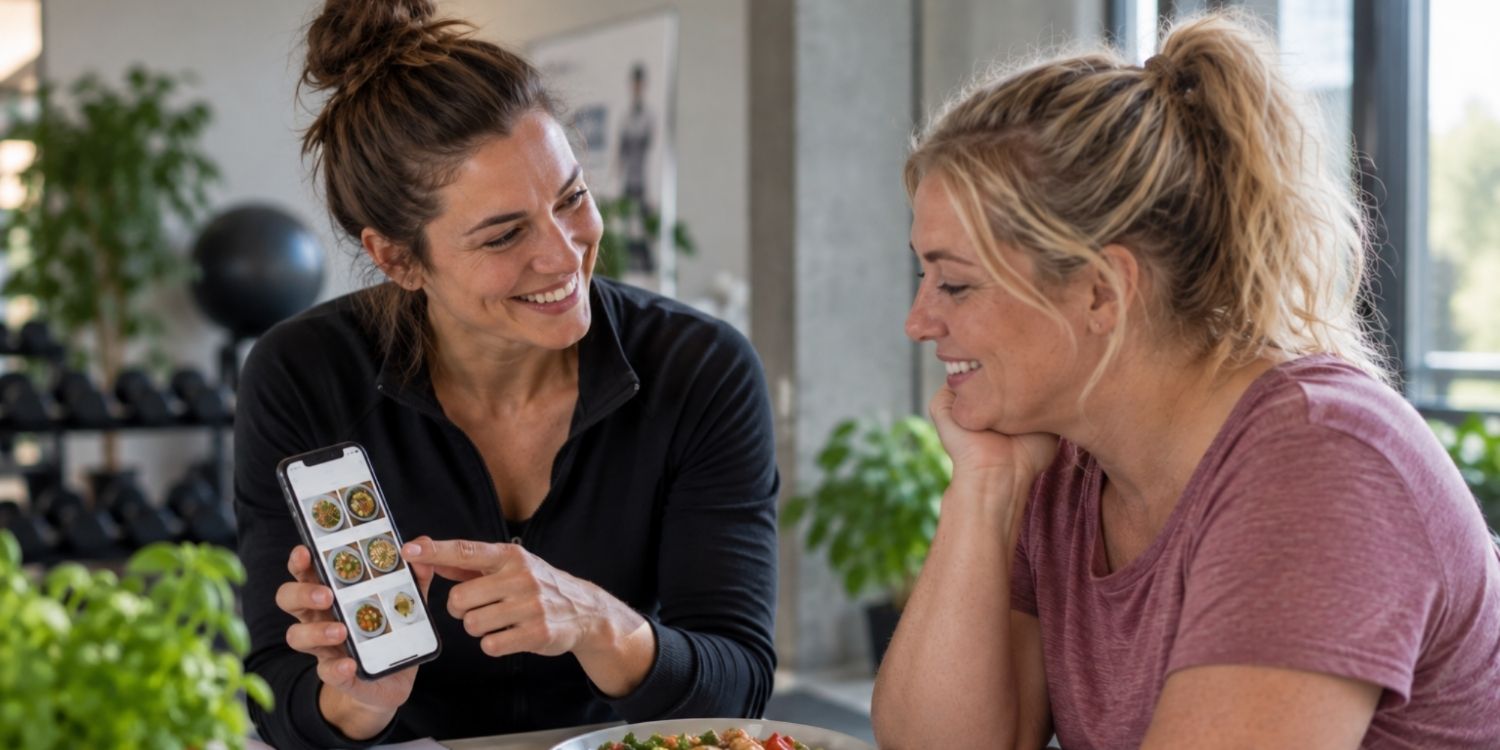
Clients often start a nutrition programme feeling highly motivated. The shopping is done, the first meals are planned and the goal is clear. But a few weeks later, things become more difficult. A busy week at work, a meal out at the weekend or simply less enthusiasm for thinking about food every single day.
For coaches, the challenge therefore isn’t just providing good nutrition advice. How do you make sure a client actually continues to follow their nutrition programme? With the right coaching and smart tools, you can make that process considerably easier.
1. Provide plenty of variety
Eating the same meals every week isn’t appealing to most people. Variety helps keep a nutrition programme enjoyable and interesting. Within BenFit, participants can choose from more than 2,000 recipes. These range from quick breakfasts and simple lunches to hot meals, snacks and recipes for special occasions. Filters also make it easier to find something that suits their needs at that moment, such as a meal-prep recipe. Meals within the nutrition plan can also be swapped. This gives participants freedom of choice without requiring them to work out for themselves which alternatives fit their plan every day.
2. Make food tracking as easy as possible
Tracking food can provide valuable insights, but nobody wants to spend several minutes searching for every ingredient they eat. The greater the administrative burden, the greater the chance that someone will stop tracking altogether.
That’s why it helps to make food tracking as simple as possible. With the AI photo feature in the BenFit app, participants can take a photo of their meal. AI recognises the meal and helps them log it more quickly. Food can also be added using a barcode scanner.
This doesn’t just save the participant time. It also provides the coach with useful information that can make coaching conversations much more targeted.
3. Offer freedom within clear boundaries
Following a nutrition programme doesn’t mean every meal has to be decided in advance. In fact, too little flexibility can make participants feel that the programme simply doesn’t fit their lifestyle.
Where possible, allow participants to make their own choices. Swapping a meal, choosing a favourite recipe again or adjusting a day around a meal out can make the difference between: “This is a diet I have to stick to.” and: “This is a way of eating that fits my life.”
That second mindset is particularly important when you’re working towards long-term behaviour change.
4. Make progress visible
Motivation doesn’t only come from the number on the scales. Perhaps someone has more energy, cooks from scratch more often or has managed to get through a busy weekend without abandoning all of their healthy habits. That’s why it’s important to review progress regularly and look beyond body weight alone.
Within BenFit, coaches and participants can monitor different measurements and developments, providing concrete information to discuss during progress reviews. Pay particular attention to what is already going well. Small wins can provide valuable motivation to keep going.
5. Stay involved as a coach
An app can take a lot of work off your hands, but good nutrition coaching ultimately revolves around the person behind the data. Schedule regular moments to discuss how things are going. Where is the client struggling? Is the nutrition plan still practical? Are there certain situations where they regularly deviate from their plan? And, most importantly: why is it happening?
This is where the coach adds real value. Technology can show you what is happening. The coach can work with the participant to understand why it’s happening.
6. Make healthy eating practical
Motivation can disappear quickly when eating healthily requires a lot of time and thought every day. Help clients make things easier for themselves.
This might include planning ahead, preparing a few meals in advance or cooking several portions at once. A shopping list can also make a difference. Within BenFit, participants can see which groceries they need for each day, helping to reduce the gap between receiving nutrition advice and actually preparing the food. The easier healthy behaviour fits into everyday life, the less someone needs to rely on motivation alone.
7. Prepare clients for difficult moments
A nutrition programme will almost never go perfectly for weeks on end. Birthdays, holidays, stress, meals out and busy working days are all part of normal life. Rather than treating these situations as exceptions, make them part of the coaching process.
Discuss in advance how the client can handle them. What can they do when eating out? What happens when the day doesn’t go according to plan? And how can they get back into their routine the following day? This can help prevent one unplanned meal from turning into an entire week in which the client abandons their programme.
From motivation to a healthy routine
Ultimately, a good nutrition programme isn’t about keeping someone motivated for as long as possible. Motivation naturally comes and goes.
The aim is to make healthy choices progressively easier until they become part of someone’s everyday routine. Variety, flexibility, ease of use and personal coaching all play an important role in that process. BenFit supports coaches with nutrition plans, more than 2,000 recipes, food tracking, AI photo recognition, a barcode scanner, shopping lists and different ways to monitor participant progress.
Technology doesn’t need to replace the coach. Instead, it can create more time for the area where a coach makes the biggest difference: personal guidance.
With the BenFit app, tracking nutrition is simple, practical, and easy to maintain in daily life. Curious how the BenFit nutrition programme can support your clients? Click here to learn more.