


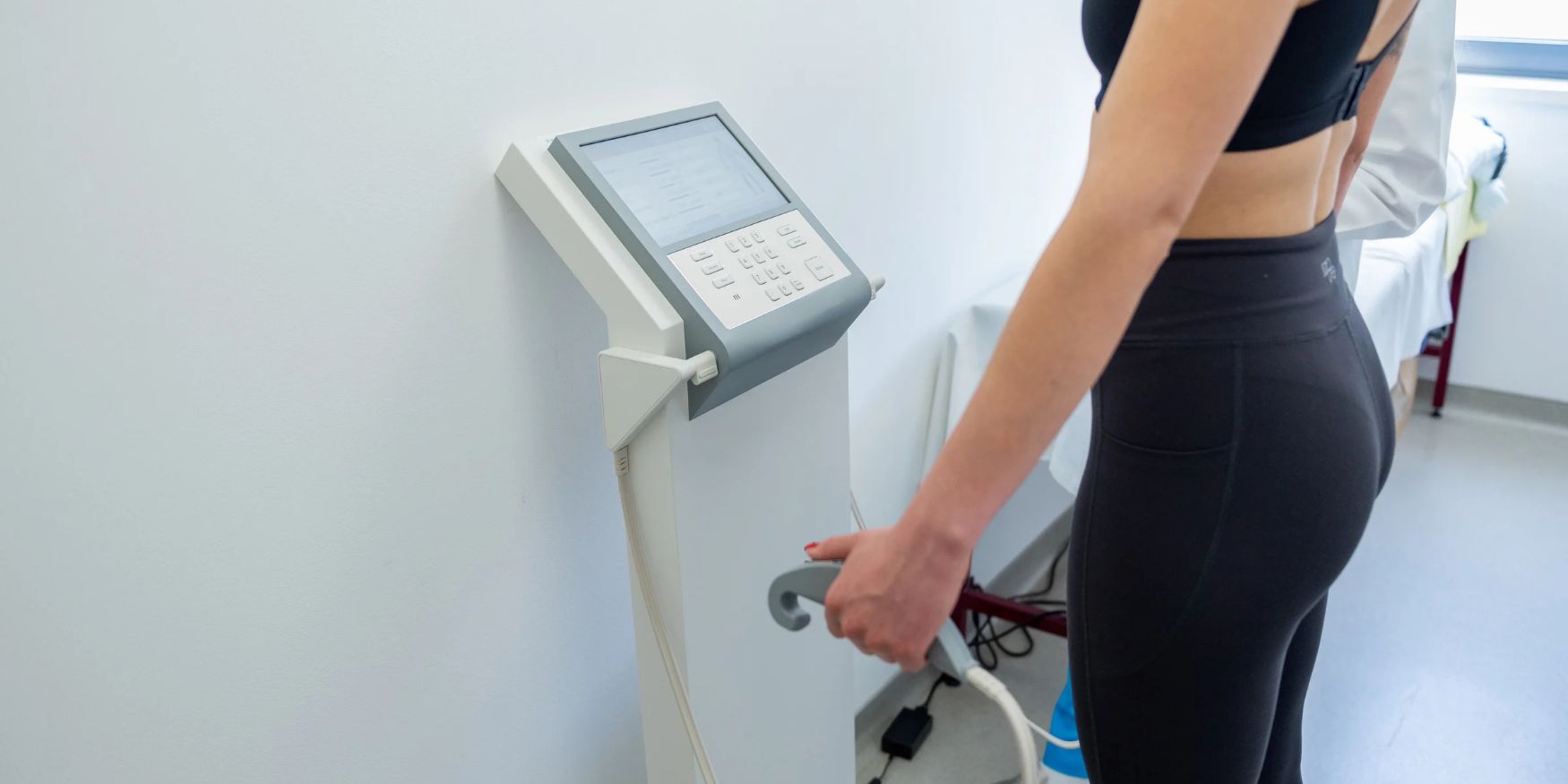
A scale tells you how much someone weighs. A body composition analysis provides additional insight, including body fat percentage, muscle mass and changes in body composition. For gyms, personal trainers, nutrition coaches and dietitians, this information can be valuable. It helps professionals understand client progress and tailor their support to individual goals. However, the greatest value doesn’t lie in the measurement itself, but in what you do with it.
What should you tell a client after a body composition analysis? And more importantly, how do you translate those results into practical nutrition coaching?
1. Body composition analysis tells you more than weight alone
Many clients focus primarily on the number on the scales. But body weight alone doesn’t tell the whole story. Someone may lose very little weight while their body composition changes. Equally, their weight may decrease without it being clear how much of that change relates to fat mass or fat-free mass.
A body composition analysis can provide additional information about:
-
Fat mass and body fat percentage: Insight into the estimated amount of body fat.
-
Muscle mass: Information about changes in muscle mass.
-
Fat-free mass: The proportion of the body that isn’t made up of fat.
-
Body weight: Overall weight changes over a particular period.
-
Trends across multiple measurements: Insight into how body composition develops over time.
This allows you to broaden the conversation with your client. Instead of simply asking, “How many kilograms have you lost?”, you can also explore what is changing in their body and how those changes relate to their goals.
It’s important to remember that body composition assessments, including those using bioelectrical impedance analysis (BIA), provide estimates. Hydration, food intake, physical activity and the timing of the measurement can all influence the results. For that reason, trends across several measurements taken under comparable conditions are often more useful than a single reading.
2. Turning measurements into personal goals
Not every client has the same goal. One person wants to lose weight, another wants to build muscle, while someone else may want to improve their fitness or maintain their current weight. Body composition analysis can help make these goals more specific.
Goal: Weight loss
Look beyond weight loss alone. Pay attention to maintaining muscle mass, getting sufficient nutrients and following an eating pattern that is realistic and sustainable.
Goal: Building muscle
Adapt energy intake and protein distribution to the individual’s circumstances, training programme and recovery needs.
Goal: Maintaining weight and improving fitness
Focus on a balanced, nutritionally adequate eating pattern that provides enough energy and fits the client’s daily activities. The measurements are a useful tool, not a complete nutrition assessment. Factors such as age, activity level, medical circumstances, dietary preferences and lifestyle also play an important role.
3. How do you turn body composition data into nutrition advice?
A good body composition analysis is the starting point for a conversation. The next step is to combine the results with the client’s individual circumstances. A practical approach consists of four steps.
Step 1: Assess the starting point
Review the body composition results and discuss the client’s current lifestyle. What does their usual diet look like? How often do they exercise or train? And what challenges are they experiencing?
Step 2: Establish the goal and energy requirements
Using personal information, activity levels and the desired goal, you can estimate an appropriate energy requirement. A value provided by a body composition device can help inform this process, but it shouldn’t be treated as an exact measure of an individual’s energy needs.
Step 3: Make nutrition practical
Translate the goal into everyday food choices. Consider protein intake and distribution, suitable portion sizes, meal timing and recipes that match the client’s preferences.
Step 4: Review and adjust
Use follow-up measurements, client feedback and any food records to assess whether the approach is still appropriate. This creates an ongoing process in which you’re not simply measuring progress, but actively coaching the client.
4. Why a personalised nutrition plan can make a difference
After a body composition analysis, a client may know exactly what they’re working towards. But that doesn’t necessarily mean they know what to eat tomorrow.
That’s often where the challenge lies. General advice such as “eat more protein” or “watch your calorie intake” can provide direction, but it isn’t always enough to help someone take action. A personalised nutrition plan can help turn that advice into everyday habits.
For example, by:
-
adapting energy intake and nutrient distribution to the individual’s goal;
-
providing specific meals, recipes and portion sizes;
-
taking preferences and practical circumstances into account;
-
offering alternatives when a particular meal isn’t suitable;
-
providing a shopping list that matches the nutrition plan.
The benefit is that clients don’t just understand why certain choices matter. They also know how to put those choices into practice. This makes nutrition coaching more accessible and easier to follow.
5. Turn body composition assessments into ongoing coaching opportunities
Many gyms and coaches carry out body composition assessments during an initial consultation or progress review. However, if the results are simply discussed or handed over as a report, some of their potential value remains unused. Connecting measurements with nutrition coaching creates an ongoing support process.
For example, imagine a client having a body composition assessment every four to six weeks. During each review, you discuss changes in body composition, eating habits and their experiences over the previous weeks. You can then review the nutrition plan and make adjustments where needed. This gives every assessment a clear purpose and creates a natural next step in the coaching journey.
Don’t measure simply for the sake of measuring. Measure to provide more targeted support.
6. Smart integrations make nutrition coaching more efficient
Manually transferring measurement data, recalculating energy requirements and updating nutrition plans can take considerable time. Especially when you’re supporting multiple clients. Digital integrations between body composition devices and nutrition software can simplify this process. They can give coaches quicker access to up-to-date information that can be used when creating or adjusting personalised nutrition plans.
This isn’t just convenient for the professional. It can also help create a more connected client experience. Clients can see how different elements of their coaching journey fit together: from body composition analysis and goal setting to nutrition and progress tracking.
7. More value for your clients and your business
For gyms and coaching businesses, body composition analysis can also create commercial opportunities. Not simply by measuring clients more frequently, but by making assessments part of a valuable service.
For example:
| Service | Possible offering |
|---|---|
| Basic support | Periodic body composition assessments and progress reviews |
| Premium membership | Body composition analysis, personalised nutrition plan and regular reviews |
| Coaching programme | Comprehensive initial assessment, nutrition coaching, periodic measurements and personal coaching |
This allows you to offer different levels of support.
For some clients, gaining insight into their body composition is enough. Others need a specific nutrition plan and regular guidance. By offering different levels of service, you can better match individual needs while creating additional revenue opportunities.
8. From body composition analysis to nutrition coaching with BenFit
With BenFit, gyms, personal trainers and nutrition professionals can organise personalised nutrition coaching in a practical and efficient way. BenFit offers integrations with body composition systems such as TANITA and InBody.
Depending on the integration, measurement data can be transferred into the coach portal and used when determining and adjusting nutrition requirements. The coach can then create a personalised nutrition plan in just a few minutes, tailored to the participant’s goals and preferences.
Through the BenFit app, participants can access:
-
personalised nutrition plans and thousands of recipes;
-
meal alternatives and adjustable meals;
-
automatic shopping lists;
-
a food diary with barcode scanning and AI photo tracking;
-
measurements and progress tracking.
This makes it easier to turn the insights from a body composition assessment into nutrition coaching that continues beyond the gym or coaching practice. And because much of the practical work is supported digitally, coaches have more time to focus on personal guidance.
Conclusion: The value isn’t in the measurement, but in what comes next
Body composition analysis can provide valuable insights into a client’s development. But the real practical value comes when you translate that information into personal goals, suitable nutrition and targeted coaching. For gyms, personal trainers and nutrition professionals, this presents an opportunity to get more value from assessments they’re already carrying out. Not by making the process more complicated, but by connecting measurements, nutrition advice and coaching more effectively.
With the BenFit app, tracking nutrition is simple, practical, and easy to maintain in daily life. Curious how the BenFit nutrition programme can support your clients? Click here to learn more.