


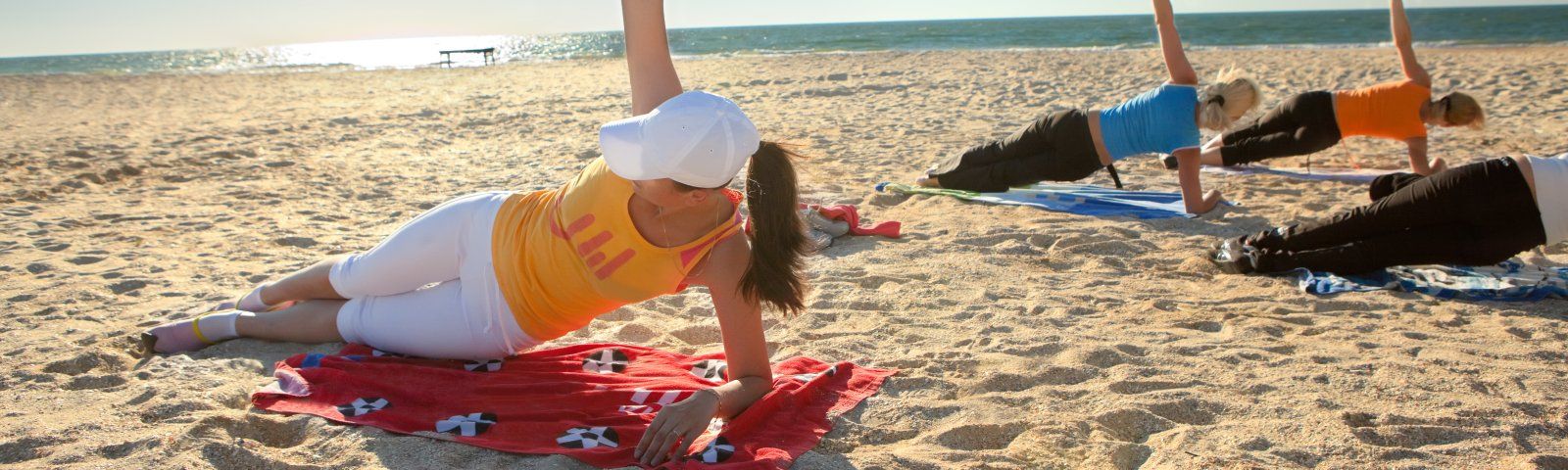
Relaxation is essential to recover from exertion. If the body doesn’t get time to recharge, tension and fatigue build up until it becomes too much. When people take breaks to relax, they handle stress, work, and demands more easily.
When pressure is high at work, relaxing and taking time to rest may seem impossible. In such cases, taking rest and calming down becomes a practice. Many people are no longer aware that they are constantly tense. As symptoms arise, they may begin to worry, which increases stress and worsens the complaints.
For one person, relaxation means going out with friends; for another, it’s taking a walk or doing sports. There is no one-size-fits-all relaxation technique. It’s important to find out what helps you relax and brings you joy—because that’s what helps your body unwind.
Sometimes it’s useful to actively practice relaxation exercises, especially when stress has built up over a long time. It takes practice to reduce tension. The exercises may not go smoothly at first, but after a few attempts, you’ll notice that you gain more control over your body’s stress response, and your sense of calm will grow.
There are various ways to learn how to relax. Yoga, mindfulness, and meditation can all be very effective.