


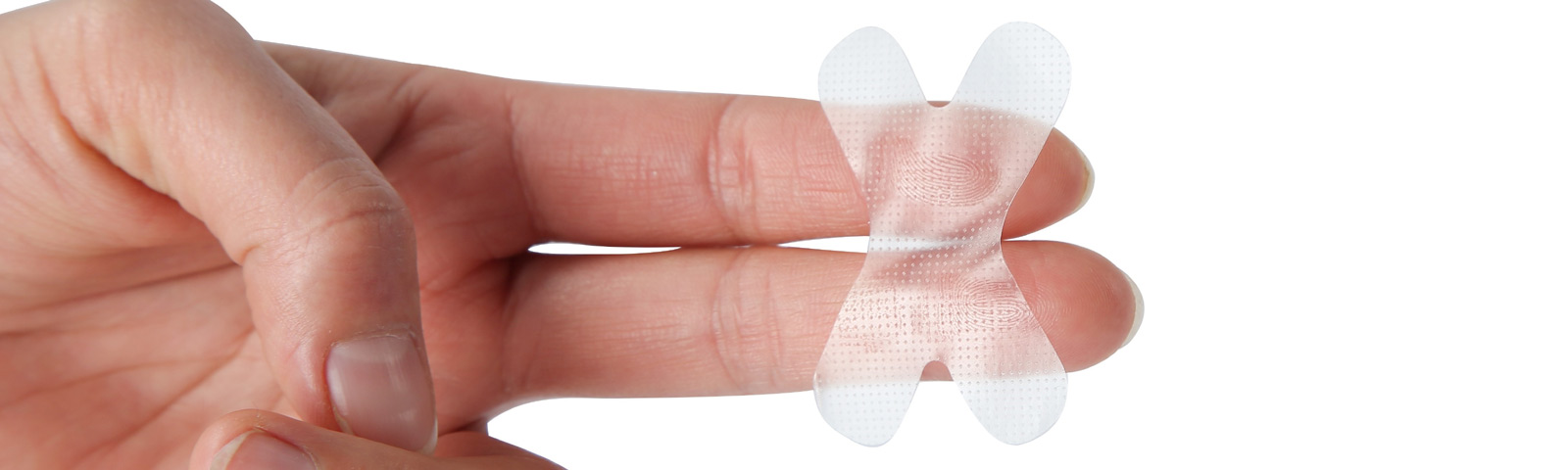
Taping your mouth shut to sleep better—just another trend, or is there some truth to it? And what does science say? We did some digging.
Background
The idea behind mouth taping is to encourage nasal breathing during sleep, which could have several health benefits. Commonly mentioned reasons include:
-
Reduced snoring
-
Better muscle recovery
-
Improved sleep quality
What does science say?
Currently, there isn’t enough scientific evidence to confirm that mouth taping improves sleep quality. Although some people report benefits, it’s important to ask yourself whether you can breathe comfortably through your nose while sleeping.
The general advice
Consult a doctor or sleep expert before trying mouth taping—especially if you suspect breathing issues or sleep apnea.
5 Alternatives for Better Sleep
1. Use warm, low lighting in the evening
Stick to lamps, candles, or floor lighting in the evening. Avoid overhead lights, as they signal “daytime” to your brain and can suppress melatonin—the sleep hormone.
2. Consider blue light blocking glasses
Screens from phones, TVs, and laptops emit blue light, which disrupts melatonin production and your natural sleep-wake cycle. Blue light glasses can help if you spend time on screens in the evening.
3. Take a warm bath
It’s not the bath itself that improves sleep, but the drop in body temperature afterwards. The sudden change causes your blood vessels to react and can give your skin a rosy glow—contributing to a relaxed, sleepy feeling.
4. Delay your first coffee, limit the last
Have your first cup of coffee at least 1 hour after waking, and your last one before 1 PM. Caffeine stays in your system for up to 9 hours and can interfere with your REM sleep.
5. Get natural sunlight in the morning
Morning sunlight helps regulate your circadian rhythm—your internal sleep-wake clock.