


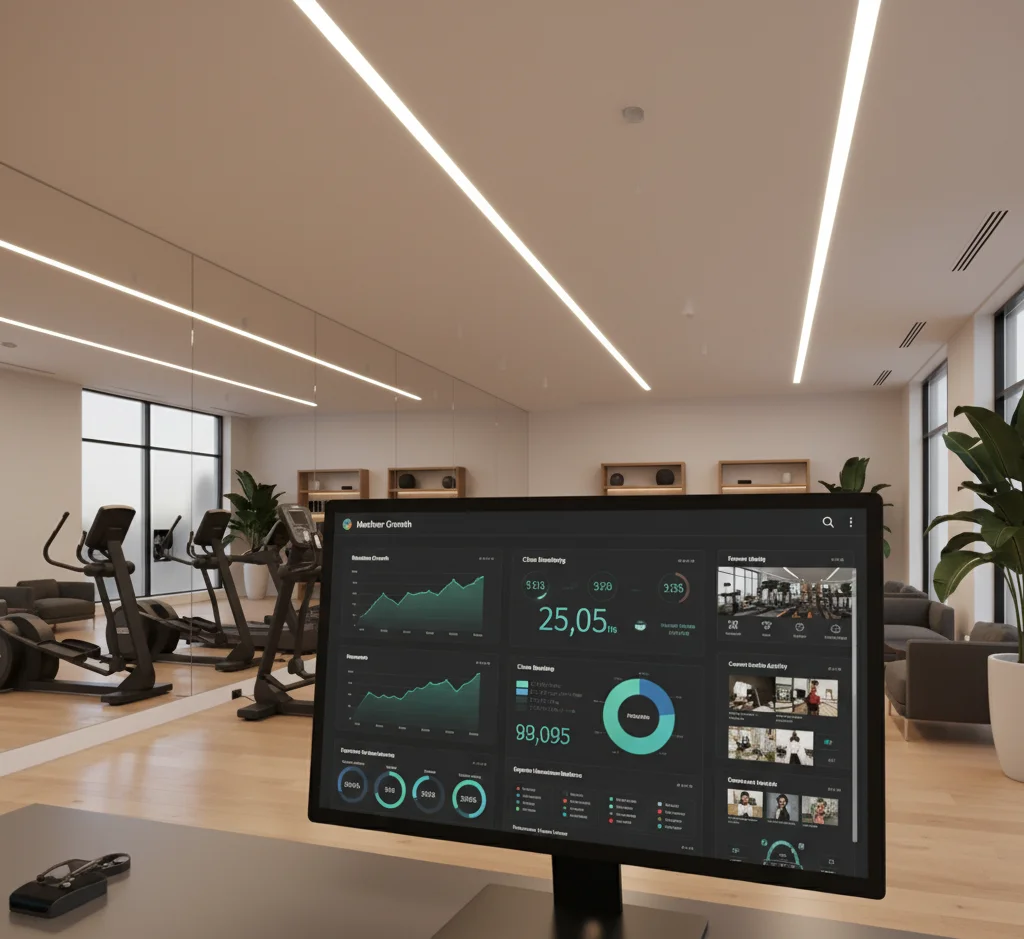
The fitness industry has been transformed by mobile technology, with over 90% of gym members now using fitness apps to enhance their workout experience. This digital revolution has created new opportunities for gym owners to engage members, increase retention, and differentiate their services in an increasingly competitive market.
Modern gym apps offer far more than just workout tracking. They integrate class booking, payment processing, community features, and even nutrition planning into a seamless mobile experience. The best apps enable gyms to increase member retention by up to 45% while simultaneously improving operational efficiency.
Choosing the right app can determine your gym's success. A poorly chosen app leads to frustrated members, inefficient workflows, and ultimately lower revenue. That's why we've analyzed and compared the most important gym apps available in the UK market.
Why Gym Apps Have Become Essential
The way people use gyms has changed dramatically. While previously a gym visit was sufficient, today 85% of members expect continuous support through mobile apps. This development requires a completely new approach to member care and engagement.
Mobile apps have revolutionized the fitness industry. They enable members to access gym services anytime, anywhere, book classes, and track their progress. Gyms that skillfully utilize these opportunities see an average of 35% higher member retention than gyms without apps.
The pandemic accelerated this development and showed how important digital care is. Gyms that built a strong app presence during lockdowns were able to retain members better and attract them back faster. This experience has permanently reinforced the importance of gym apps.
Modern gyms must not only attract new members but also retain existing ones. Average member retention is only 65% in the first year. Effective apps can increase this rate to over 85%, which has significant impacts on long-term success.
| App Feature | Member Retention | Usage Rate | Satisfaction | ROI |
|---|---|---|---|---|
| Class Booking | +25% | High | Very High | Excellent |
| Progress Tracking | +30% | Medium | High | Good |
| Community Features | +40% | High | Very High | Excellent |
| Nutrition Planning | +35% | Medium | High | Good |
Top 8 Gym Apps in Detail
The gym app market is diverse and complex. We've tested and evaluated the most important apps available in the UK market. In doing so, we've considered not only technical features but also practical applicability in the UK market.
MyFitnessPal: The Nutrition Specialist
While MyFitnessPal is primarily known as a nutrition app, it also offers extensive features for gyms. With over 200 million users worldwide, it's one of the most widely used fitness apps globally. Its strength lies in its comprehensive nutrient database and simple calorie tracking.
For gyms, MyFitnessPal offers the ability to create nutrition plans and track member progress. Integration with other fitness apps and wearables makes it a flexible solution for gyms that already use other tools for training planning. For more specialized nutrition planning apps designed specifically for fitness professionals, consider professional-grade solutions.
The app is essentially free, but offers enhanced features for £7.99 per month. The English translation is complete, which is an important advantage for the UK market. The large user base makes it easy to motivate members to use it.
Strava: The Community Favorite
Strava has established itself as the leading app for community-based training. With over 100 million users worldwide, it's the world's largest fitness community. The app is particularly suitable for gyms that focus on community building and social interaction.
Strava's strength lies in its social features and motivation through community. Members can share their workouts, compare with others, and motivate each other. These social aspects lead to higher engagement and longer member retention.
Strava is essentially free but offers enhanced features for £4.99 per month. The app is fully available in English and offers an intuitive user interface suitable for both beginners and advanced users.
Freeletics: The Personal Trainer
Freeletics offers structured training programs that are particularly suitable for gyms offering personal training. The app uses artificial intelligence to create personalized training plans based on individual goals and abilities.
Freeletics' strength lies in personalization and scientific approach to training. The app continuously adapts to user progress and ensures they're always optimally challenged. This adaptive approach leads to better results and higher satisfaction.
Freeletics costs £6.99 per month and offers a 7-day free trial. The app is fully available in English and offers an intuitive user interface that's easy to use for both trainers and members.
Additional Top Apps Overview
Beyond the three main competitors, there are other interesting apps for gyms. StrongApp is particularly suitable for strength training and offers detailed exercise databases. Jefit is a good alternative for gyms that value community features. Nike Training Club offers free training programs that work well for beginners.
The choice of the right app depends heavily on your gym concept and your members. While some apps specialize in certain types of training, others offer a broader range of features. It's important that the app fits your business model and provides real value to your members.
| App Name | Price/Month | Main Features | Advantages | Disadvantages | Best For |
|---|---|---|---|---|---|
| MyFitnessPal | £0-7.99 | Nutrition, Calories | Large database, free | Limited training features | Nutrition focus |
| Strava | £0-4.99 | Community, Tracking | Large community, social | Limited gym integration | Community gyms |
| Freeletics | £6.99 | AI Training, Personalization | Intelligent, adaptive | Less flexibility | PT gyms |
| StrongApp | £3.99 | Strength Training, Tracking | Detailed, affordable | Limited features | Strength training |
Features That Really Matter
When choosing a gym app, you shouldn't just focus on the number of features, but on quality and practical utility. The best apps are characterized by an intuitive user interface, reliable synchronization, and comprehensive features that actually improve a gym's workflow.
Class booking is the heart of every gym app. A good app allows members to easily and quickly book, cancel, or reschedule appointments. The ability to manage waitlists and send automatic reminders saves time and improves the member experience.
Progress tracking is becoming increasingly important for modern gyms. Members today expect detailed insights into their progress, statistics, and achievements. Apps that present this data in a visually appealing way and show trends lead to higher motivation and longer member retention.
Community features are crucial for member retention. Chat functions, group challenges, and social interaction create a sense of belonging and make the gym an important part of members' lives. These social aspects are often more important than technical features.
Integration with gym systems is an often underestimated aspect. A good app should integrate seamlessly into your existing management system. Personal trainer client tracking apps that synchronize member data, appointments, and payments ensure smooth operations and reduce administrative burden.
For a complete gym solution, you should also consider nutrition software that provides personalized plans for your members. This integration creates a holistic approach that goes beyond standard apps and provides real added value to your members.
Understanding Costs and Pricing Models
Gym app prices vary significantly, from free basic versions to premium solutions for over £50 per month. The right choice depends on your budget, requirements, and number of members.
Free apps are often a good way to get started with gym apps. They offer basic features and help you understand which features are important for your workflow. However, features are often limited and advertising can be disruptive.
Premium apps offer enhanced features, better support, and no advertising. The investment is worthwhile if you have multiple locations or complex requirements. Most premium apps also offer better integration and security, which is important for managing sensitive member data.
Cost per member is an important factor in selection. Some apps charge per member, others offer unlimited members for a fixed price. With a growing member base, this can make a significant difference in total costs.
Integration into Existing Gym Systems
Introducing a new app into your existing system can initially be challenging. The best apps offer comprehensive onboarding processes and training materials that ease the transition. It's important that the app fits your existing system and doesn't create additional complexity.
Synchronization with other tools is an important aspect. Many gyms already use other software for accounting, marketing, or hardware. A good gym app should integrate seamlessly into this ecosystem.
Training your staff is an often underestimated aspect. Even the best app is useless if your staff can't use it properly. Choose apps with intuitive user interfaces and provide your staff with comprehensive training in the most important functions.
Need support integrating new apps into your existing system? Professional consultation can help you choose the right app and make the transition smooth.
The Future of Gym Apps
The development of gym apps is just beginning. Artificial intelligence, virtual reality, and advanced data analytics will revolutionize the industry in the coming years. Gyms that invest early in modern technologies will have a significant advantage.
Integration of wearables and smart devices is becoming increasingly important. Apps that collect and analyze data from fitness trackers, smartwatches, and other devices offer a holistic view of member health and fitness.
Virtual reality will create new possibilities for training. VR training can be particularly interesting for members who want to train at home but still need professional trainer guidance.
Personalization will be elevated to a new level through artificial intelligence. Apps will be able to automatically adjust training plans based on performance, goals, and preferences. This development will make personal training accessible to more people.
Discover comprehensive solutions for gyms that go beyond standard apps. Modern technologies enable you to offer your members holistic care that encompasses training, nutrition, and lifestyle.