



The fitness industry has undergone a massive transformation, and online personal training is now one of the most lucrative opportunities for fitness professionals.
With the right strategy and tools, you can build a successful online personal training business that reaches clients worldwide while working from anywhere.
🚀 Ready to Launch Your Online Training Empire?
This comprehensive guide will walk you through every step of starting an online personal training business, from choosing your niche to scaling to six figures. Plus, discover how Benfit's all-in-one platform can accelerate your success.
Why Start an Online Personal Training Business?
The traditional one-on-one personal training model has limitations.
You're capped by time, location, and the number of clients you can physically see. Online personal training breaks these barriers and offers unprecedented opportunities:
🌍 Global Reach
Work with clients from anywhere in the world, not just your local area.
⏰ Flexible Schedule
Set your own hours and work around your lifestyle, not your clients'.
💰 Higher Revenue Potential
Scale beyond the limitations of in-person training with multiple income streams.
📈 Passive Income
Create programs and content that generate revenue even when you're not actively coaching.
Step 1: Define Your Online Personal Training Niche
Before launching your online personal training business, you need to identify your specific niche.
This will help you stand out in a crowded market and attract your ideal clients.
Popular Online Personal Training Niches:
Start with weight loss specialists—this is where most people begin their fitness journey. Focus on fat loss and body composition, and you'll never run out of clients.
Then there are strength training coaches who specialize in powerlifting, Olympic lifting, or general strength. This niche attracts serious athletes and fitness enthusiasts who are willing to pay premium rates.
Women's fitness is another massive market—think pre/postnatal training, body confidence, or women-specific training programs. Women often prefer working with female trainers who understand their unique needs.
If you have sports experience, consider sports performance coaching. Athletes are always looking to improve their game, and they're willing to invest in quality coaching.
Rehabilitation specialists work with clients recovering from injuries. This requires additional certifications but commands higher rates and builds long-term client relationships.
Finally, nutrition-focused trainers combine fitness coaching with meal planning and nutrition guidance. This comprehensive approach is increasingly popular as people realize the importance of both exercise and nutrition.
Consider your experience, passion, and the market demand when choosing your niche.
The best online personal trainer UK professionals often combine multiple areas of expertise.
Step 2: Create Your Online Personal Training Packages
Your online personal training packages are the foundation of your business model.
They should provide clear value and be structured to encourage long-term client relationships.
Essential Package Types:
| Package Type | What's Included | Price Range (UK) | Best For |
|---|---|---|---|
| Starter Package | Basic workout plan, nutrition guidelines, email support | £50-100/month | Beginners, budget-conscious clients |
| Premium Package | Customized workouts, meal plans, weekly check-ins, progress tracking | £150-300/month | Serious clients, faster results |
| Elite Package | Everything in Premium + 1-on-1 video calls, priority support, advanced analytics | £400-800/month | High-value clients, maximum results |
| Group Programs | Shared workouts, community support, group challenges | £30-80/month | Community-focused clients, scalable income |
Pricing Strategy Tips:
First, research the market thoroughly. Check what other online personal trainer UK professionals are charging in your niche. Don't just look at the lowest prices—focus on what successful trainers are charging.
Use value-based pricing instead of hourly rates. Price based on the results you deliver, not just the time you spend. Clients are willing to pay more for transformation than for time.
Always offer multiple tiers so clients can start small and upgrade as they see results. This creates a natural progression path and increases your average client value over time.
Don't forget to include bonuses that add perceived value—meal plans, workout videos, community access, or exclusive content. These extras make your packages feel more valuable without costing you much extra time.
Step 3: Set Up Your Online Personal Training Infrastructure
Your online personal training business needs the right tools and systems to operate efficiently and provide a professional client experience.
This is where most trainers get stuck—but it doesn't have to be complicated.
Essential Tools and Platforms:
1. All-in-One Coaching Platform
Instead of piecing together multiple tools, use a comprehensive platform like Benfit that handles everything.
Trust me, you don't want to manage 10 different apps.
You need client management and communication tools that keep everything organized. Then there's workout and meal plan creation—this is where you'll spend most of your time, so it needs to be efficient.
Progress tracking and analytics help you and your clients see results, which keeps them motivated and coming back. Don't forget payment processing and billing—you want this to be seamless so you get paid on time.
Finally, your clients need a mobile app that makes it easy to access their workouts and track their progress. This professional touch sets you apart from trainers who just send PDFs.
2. Video Communication Tools
For live sessions, you'll need Zoom or Google Meet. These are the industry standards, and most clients are already familiar with them.
Use Loom for recorded workout demonstrations. It's perfect for showing proper form and technique without scheduling a live call.
Consider starting a YouTube channel for educational content. This builds your authority and attracts potential clients who discover you through search.
3. Marketing and Sales Tools
You'll need a professional website with landing pages that convert visitors into clients. This is your digital storefront, so invest in quality.
An email marketing platform helps you nurture leads and stay in touch with current clients. This is where most of your sales will happen.
Use social media management tools to schedule posts and maintain consistency across platforms. You can't be everywhere at once.
Finally, a CRM system helps you track leads and manage your sales pipeline. This prevents potential clients from falling through the cracks.
💡 Pro Tip: Choose Benfit for Seamless Operations
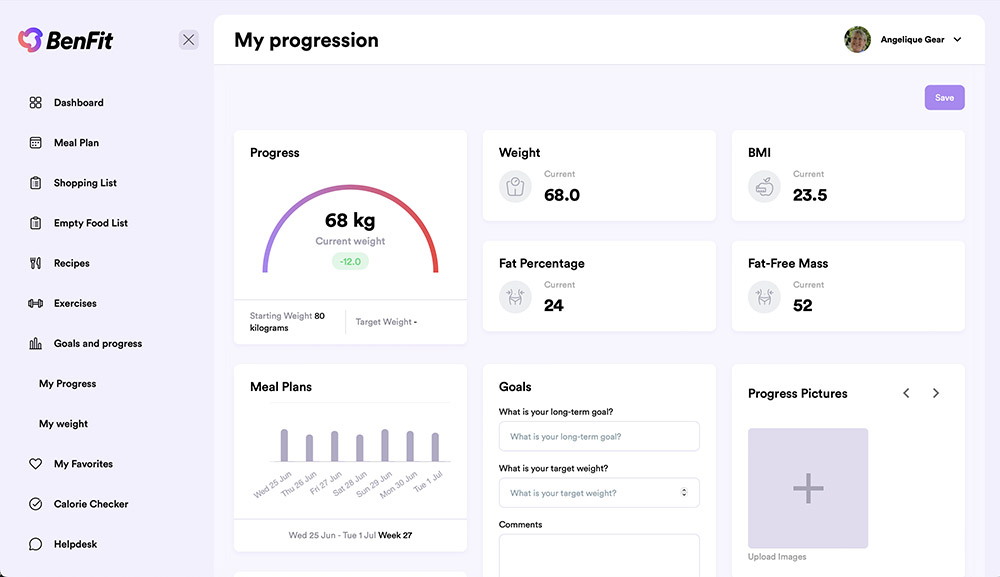
Benfit's platform eliminates the need for multiple tools by providing everything you need to run your online personal training business. From creating personalized meal plans in 60 seconds to tracking client progress, Benfit streamlines your entire operation.
Step 4: Build Your Online Personal Trainer Brand
Your brand is what sets you apart from other online personal trainer UK professionals.
It's not just about your logo—it's your entire client experience and reputation.
Branding Elements:
Start with a professional website that showcases your expertise. This is your digital storefront—make it count. Include your story, your approach, and clear calls to action.
Build a consistent social media presence on Instagram, TikTok, and LinkedIn. Each platform serves a different purpose, so tailor your content accordingly.
Collect and display client testimonials prominently. Social proof is everything in this industry. People want to see real results from real people.
Create educational content that demonstrates your knowledge—blog posts, videos, and social media content that positions you as an expert in your niche.
Invest in professional photography that reflects your brand. High-quality images make you look more credible and professional.
Content Marketing Strategy:
Create valuable content that positions you as the best online personal trainer UK clients can find.
This is where the magic happens.
Share transformation stories and client success stories. People love seeing real results—it gives them hope and builds trust in your abilities.
Create educational workout videos and nutrition tips that provide genuine value. Don't just sell—teach. This positions you as an authority.
Write blog posts about fitness trends and industry insights. This helps with SEO and shows potential clients that you're knowledgeable and up-to-date.
Host live Q&A sessions on social media. This creates engagement and allows potential clients to see your personality and expertise in real-time.
Collaborate with other fitness professionals and influencers. This expands your reach and builds credibility through association.
Step 5: Market Your Online Personal Training Business
Marketing is crucial for attracting clients to your online personal training business.
Focus on strategies that showcase your expertise and build trust with potential clients.
Effective Marketing Strategies:
1. Social Media Marketing
Share daily workout tips and nutrition advice that your audience can implement immediately. This builds trust and shows your expertise.
Post client transformation photos (with permission, of course). Before and after photos are incredibly powerful—they prove your methods work.
Create engaging video content that shows your coaching style and personality. People want to see the real you, not just polished content.
Use relevant hashtags strategically to reach your target audience. Research what your ideal clients are searching for and use those terms.
Engage with followers through comments and direct messages. Social media is social—respond to comments and messages promptly to build relationships.
2. Content Marketing
Start a fitness blog with valuable articles that answer your audience's questions. This builds your authority and helps with SEO.
Create YouTube videos demonstrating exercises and techniques. Video content is highly engaging and helps potential clients see your teaching style.
Write guest posts for fitness websites to expand your reach and build backlinks to your site. This is great for SEO and credibility.
Host webinars on fitness topics that interest your target audience. This positions you as an expert and generates leads.
Create downloadable resources like workout guides or meal planning templates. These are great lead magnets and provide value to your audience.
3. Referral Programs
Offer incentives for client referrals—discounts, free sessions, or exclusive content. Happy clients are your best marketers.
Partner with complementary businesses like nutritionists, physiotherapists, or wellness coaches. These partnerships create mutual referral opportunities.
Join fitness professional networks and groups both online and offline. Networking is crucial in this industry—you never know where your next client will come from.
4. Paid Advertising
Use Facebook and Instagram ads to target your ideal clients with laser precision. These platforms offer incredible targeting options based on interests, demographics, and behaviors.
Run Google Ads for specific keywords like "online personal trainer UK" or "virtual fitness coach." This captures people actively searching for your services.
Set up retargeting campaigns to follow up with website visitors who didn't convert immediately. Sometimes people need to see your message multiple times before taking action.
Step 6: Set Up Your Online Personal Training Systems
Systems and processes are what allow your online personal training business to scale.
Without them, you'll be stuck doing everything manually and limiting your growth potential.
Essential Systems to Implement:
1. Client Onboarding System
Start with an initial consultation questionnaire that gathers essential information about their goals, experience, and limitations. This helps you create personalized programs.
Develop a goal-setting and assessment process that helps clients clarify what they want to achieve. This creates buy-in and sets clear expectations.
Create a welcome package that includes everything they need to get started—program overview, expectations, and next steps. This makes them feel valued from day one.
Deliver their first workout and meal plan promptly. The faster they see results, the more likely they are to stay with you long-term.
2. Communication System
Establish a regular check-in schedule that keeps clients engaged without overwhelming them. Weekly check-ins work well for most clients.
Set clear response time expectations—let clients know when they can expect to hear back from you. This prevents frustration and builds trust.
Create emergency contact protocols for urgent questions or concerns. Clients need to know how to reach you when it matters most.
Implement a feedback collection process to continuously improve your services. Regular feedback helps you refine your approach and retain clients longer.
3. Progress Tracking System
Generate weekly progress reports that show clients their improvements over time. This keeps them motivated and proves your value.
Implement photo and measurement tracking to document physical changes. Visual progress is incredibly motivating for clients.
Monitor workout completion rates to identify clients who might need extra support or motivation. This helps you intervene before they lose momentum.
Celebrate goal achievements with your clients. Recognition and celebration create positive associations with their fitness journey.
4. Business Management System
Maintain a client database with all contact information, preferences, and history. This helps you provide personalized service and track relationships over time.
Set up payment processing and invoicing that's automated and professional. You want getting paid to be seamless, not a headache.
Use schedule management tools to coordinate sessions, calls, and administrative tasks. Time management is crucial when you're running your own business.
Implement expense tracking and accounting from day one. Good financial habits early on will save you headaches later and help you make better business decisions.
🎯 Benfit: Your Complete Business Solution
Benfit's platform provides all the systems you need to run a professional online personal training business. From automated client onboarding to progress tracking and payment processing, Benfit handles the technical details so you can focus on coaching.
Step 7: Launch and Scale Your Online Personal Training Business
Once you have your systems in place, it's time to launch your online personal training business and start attracting clients.
This is the exciting part!
Launch Strategy:
Start with a soft launch—begin with a few beta clients to test your systems and processes. This allows you to work out the kinks before going public.
Use client feedback to improve your offerings. Listen to what works and what doesn't, then refine your approach accordingly.
Plan your official launch by announcing your services to your network and social media followers. Create excitement and anticipation around your new business.
Remember to scale gradually—add clients slowly to maintain quality and ensure you can deliver on your promises. It's better to have a waiting list than disappointed clients.
Scaling Strategies:
1. Create Online Personal Training Programs
Develop signature programs that can be sold to multiple clients. Start with 12-week transformation programs that deliver clear results within a defined timeframe.
Create specialized workout series focused on strength, cardio, or flexibility. These can be sold individually or as part of larger packages.
Develop nutrition and meal planning guides that complement your fitness programs. Many clients struggle more with nutrition than exercise.
Consider recovery and wellness programs that address the whole person, not just their fitness goals. This holistic approach sets you apart from competitors.
2. Build a Team
As you grow, consider hiring additional coaches or support staff. Start with assistant coaches who specialize in different areas—maybe someone for strength training while you focus on weight loss.
Hire virtual assistants for administrative tasks like scheduling, email management, and client communication. This frees you up to focus on coaching and business development.
Consider content creators for marketing materials, social media posts, and educational content. Quality content is time-consuming but essential for growth.
As you scale, you might need customer service representatives to handle inquiries and support existing clients. This ensures everyone gets the attention they deserve.
3. Diversify Income Streams
Create online courses and workshops that teach specific skills or concepts. These can be sold repeatedly without additional time investment.
Develop e-books and digital products like workout guides, meal plans, or educational content. These provide value while generating passive income.
Pursue speaking engagements and events to build your authority and reach new audiences. This can lead to new clients and opportunities.
Explore affiliate partnerships with fitness equipment companies, supplement brands, or other relevant businesses. This creates additional revenue streams.
Consider licensing your programs to other trainers. This allows you to scale your impact and income without directly managing more clients.
Step 8: Optimize Your Online Personal Training Business
Continuous improvement is essential for long-term success.
Regularly analyze your business performance and make adjustments to optimize results.
Key Metrics to Track:
Track your client acquisition cost—how much you spend to acquire each new client. This helps you understand which marketing channels are most cost-effective.
Calculate your client lifetime value—the total revenue from a client over their entire relationship with you. This helps you justify spending more on acquisition.
Monitor your retention rate—the percentage of clients who continue with your services. It's much cheaper to keep existing clients than to find new ones.
Track your revenue per client—the average amount each client pays monthly. Look for ways to increase this through upselling and cross-selling.
Measure your time per client—the hours you spend on each client. Aim to reduce this through better systems and automation.
Optimization Strategies:
Regularly review and update your packages based on market demand and client feedback. What worked last year might not work this year.
Actively implement client feedback to improve your services. Your clients are your best source of ideas for improvement.
Look for ways to automate repetitive tasks to increase efficiency. The more you can automate, the more time you have for high-value activities.
Invest in continuing education to stay current with industry trends and best practices. This keeps you competitive and provides value to your clients.
Network with other successful online trainers to learn from their experiences and share best practices. The fitness community is generally very supportive.
Common Challenges and Solutions
Starting an online personal training business comes with unique challenges.
Here's how to overcome the most common obstacles:
Challenge 1: Building Trust Online
Solution: Use video calls for initial consultations, share client testimonials, and provide free value through content marketing.
Challenge 2: Managing Multiple Clients
Solution: Use a platform like Benfit that automates client management, progress tracking, and communication.
Challenge 3: Standing Out in a Crowded Market
Solution: Develop a unique niche, create compelling content, and focus on building relationships rather than just selling services.
Challenge 4: Maintaining Client Motivation
Solution: Regular check-ins, progress celebrations, community building, and personalized support.
Success Stories: Real Online Personal Training Businesses
Here are some inspiring examples of successful online personal training businesses in the UK.
These stories prove it's possible.
Case Study 1: The Transformation Specialist
Sarah, a former gym trainer, now runs a six-figure online personal training business specializing in women's weight loss. She uses Benfit to create personalized meal plans and track client progress, serving over 200 clients worldwide.
Case Study 2: The Strength Coach
Mike focuses on strength training for busy professionals. His online personal training packages include video form analysis, custom programming, and nutrition guidance. He's scaled to serve 150 clients while working just 20 hours per week.
Case Study 3: The Nutrition-Focused Trainer
Emma combines fitness coaching with nutrition expertise. Her online personal trainer and nutritionist services are in high demand, with clients paying premium rates for her comprehensive approach.
Getting Started with Benfit
Ready to launch your online personal training business?
Benfit provides everything you need to get started and scale successfully:
⚡ Quick Setup
Get your online personal training business running in minutes, not months.
🎯 Professional Tools
Everything you need to create, deliver, and track client programs.
📱 Mobile App
Your clients get a professional app experience that keeps them engaged.
💰 Scalable Pricing
Start small and scale your pricing as your business grows.
🚀 Start Your Online Personal Training Business Today
Don't let the technical challenges hold you back. Benfit's all-in-one platform makes it easy to start and scale your online personal training business. Join thousands of successful trainers who've transformed their careers with Benfit.
Conclusion
Starting an online personal training business is one of the best opportunities in the fitness industry today.
With the right strategy, systems, and tools, you can build a successful business that provides freedom, flexibility, and financial rewards.
Remember, success doesn't happen overnight. Focus on providing exceptional value to your clients, continuously improving your systems, and building genuine relationships.
With dedication and the right platform like Benfit, you can create the online personal training business of your dreams.
The future of fitness is online, and the best online personal trainer UK professionals are those who adapt and embrace this new model.
Start your journey today and join the revolution in personal training.
Ready to transform your fitness career?