


The fitness industry has experienced unprecedented growth in recent years, with the UK fitness market now valued at over £5 billion. Post-pandemic, people are more health-conscious than ever, creating an ideal environment for new gym owners. However, opening a successful gym requires more than just passion for fitness—it demands careful planning, substantial investment, and a deep understanding of the market.
Modern gyms are no longer just places to work out. They've evolved into community hubs that offer comprehensive wellness solutions, from personalized training to nutrition guidance. This shift has created new opportunities for entrepreneurs who understand how to create value beyond traditional fitness services.
Success in the fitness industry requires a strategic approach that combines business acumen with industry knowledge. From securing the right location to implementing cutting-edge technology, every decision impacts your gym's long-term viability. This comprehensive guide will walk you through every step of opening a gym in 2025.
Why Opening a Gym is More Relevant Than Ever
The fitness industry has emerged stronger from the pandemic, with gym memberships reaching record highs. Over 15.6 million people in the UK now hold gym memberships, representing a 12% increase from pre-pandemic levels. This growth isn't just a temporary spike—it reflects a fundamental shift in how people approach health and wellness.
Modern consumers expect more from their gym experience than just access to equipment. They want personalized training programs, nutrition guidance, and a sense of community. This evolution has created opportunities for gym owners who can deliver comprehensive wellness solutions rather than just workout spaces.
The rise of boutique fitness and specialized training has also changed the landscape. While large chain gyms still dominate, smaller, specialized facilities are capturing market share by offering unique experiences and personalized attention. This trend has made the industry more accessible to new entrepreneurs with innovative concepts.
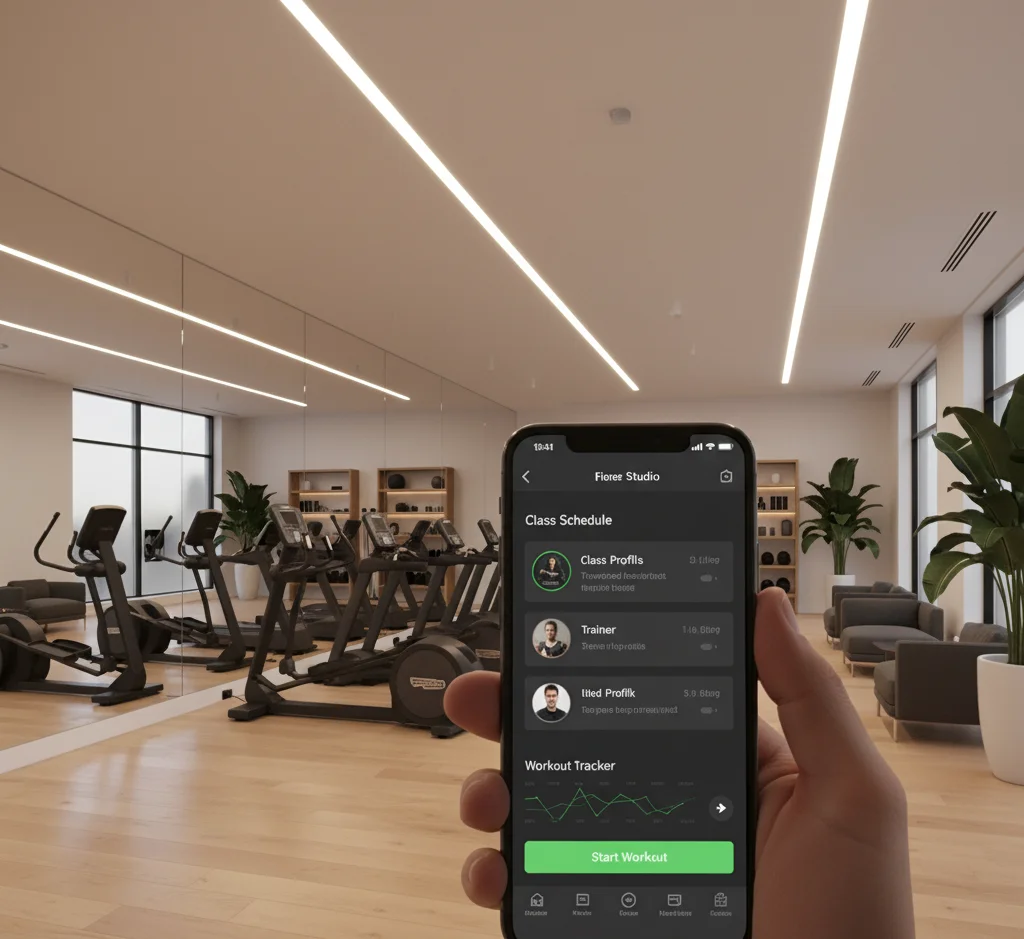
Technology integration has become essential for modern gyms. From mobile apps to smart equipment, technology enhances the member experience and provides valuable data for business optimization. Gyms that embrace technology see 25% higher member retention rates and 30% more efficient operations.
| Gym Type | Investment Range | Target Market | Success Factors | Average ROI |
|---|---|---|---|---|
| Boutique Studio | £50,000-£150,000 | Premium market | Specialization, community | 18-24 months |
| Traditional Gym | £200,000-£500,000 | Mass market | Location, equipment | 24-36 months |
| CrossFit Box | £30,000-£100,000 | Community-focused | Community, coaching | 12-18 months |
| Personal Training Studio | £25,000-£75,000 | High-end market | Expertise, results | 15-20 months |
The Essential Steps to Opening Your Gym
Opening a gym is a complex process that requires careful planning and execution. Unlike other businesses, gyms have unique challenges including equipment costs, space requirements, and regulatory considerations. Following a structured approach will help you avoid common pitfalls and set your gym up for success.
Business Planning and Market Research
Before investing in equipment or signing a lease, you need a comprehensive business plan. This document should outline your gym concept, target market, financial projections, and growth strategy. A well-crafted business plan not only guides your decisions but also helps secure funding from investors or lenders. For detailed guidance on creating a structured business plan that covers all essential aspects of fitness business development, consider professional planning resources.
Market research is crucial for understanding your local competition and identifying opportunities. Analyze existing gyms in your area, their pricing, services, and member demographics. Look for gaps in the market that your gym could fill, such as specialized training programs or underserved demographics.
Define your unique value proposition clearly. What makes your gym different from existing options? Whether it's specialized equipment, unique training programs, or exceptional customer service, your differentiator will be key to attracting and retaining members.
Legal Requirements and Permits
In the UK, opening a gym requires several legal considerations. You'll need to register your business, obtain necessary insurance, and ensure compliance with health and safety regulations. The specific requirements vary depending on your location and the type of gym you're opening.
Public liability insurance is essential for any gym, covering potential injuries to members or visitors. Professional indemnity insurance protects you if members claim inadequate instruction or advice. The cost of insurance varies based on your gym's size, equipment, and services offered.
Health and safety regulations are particularly important for gyms. You'll need to conduct risk assessments, implement safety procedures, and ensure all equipment meets safety standards. Regular inspections may be required, and non-compliance can result in fines or closure.
Location Selection and Space Planning
Location is critical for gym success. Look for areas with high foot traffic, good visibility, and easy access. Consider parking availability, public transport links, and the demographics of the surrounding area. A prime location can justify higher rent costs if it significantly increases your member acquisition potential.
Space planning goes beyond just fitting equipment into a room. Consider member flow, safety requirements, and the overall experience you want to create. Plan for reception areas, changing rooms, storage, and potential expansion. Good space planning can maximize your revenue per square foot.
Negotiate your lease carefully, considering factors like rent increases, lease length, and exit clauses. Many gym owners underestimate the importance of lease terms, which can significantly impact profitability over time.
Additional Essential Steps
Equipment selection is one of your largest investments and should align with your gym concept and target market. Research suppliers, compare prices, and consider both new and used equipment. Many successful gyms start with a mix of new and refurbished equipment to manage costs while maintaining quality.
Staff recruitment and training are crucial for delivering excellent member experiences. Hire qualified trainers and front-desk staff who share your vision and can represent your brand effectively. Invest in ongoing training to ensure consistent service quality.
Technology integration should be considered from the start. Modern gym management software can streamline operations, improve member experience, and provide valuable business insights. Choose systems that can grow with your business and integrate with other tools you might need.
Financial Planning and Investment
Opening a gym requires substantial upfront investment, with costs varying significantly based on size, location, and concept. Understanding these costs and planning your finances carefully is essential for long-term success. Many gym owners underestimate the capital required, leading to cash flow problems in the early months.
Startup costs typically include equipment (40-50% of total investment), lease deposits and improvements (20-30%), initial marketing (10-15%), and working capital for the first few months of operation (15-25%). These percentages can vary based on your specific situation and market conditions.
Ongoing operational costs include rent, utilities, insurance, staff salaries, equipment maintenance, and marketing. Plan for these expenses to continue even if membership revenue is lower than expected in the early months. Many gyms take 12-18 months to reach profitability.
Funding options include personal savings, bank loans, investors, or government grants. Each option has different requirements and implications for your business. Consider the long-term impact of your funding choice on your business's growth potential and your personal financial situation.
| Cost Category | Cost Range | Description | Priority |
|---|---|---|---|
| Equipment | £25,000-£100,000 | Cardio, strength, functional | High |
| Lease & Improvements | £15,000-£50,000 | Deposits, fit-out, flooring | High |
| Initial Marketing | £5,000-£15,000 | Launch campaign, signage | High |
| Working Capital | £10,000-£30,000 | First 3-6 months operations | High |
| Technology & Software | £2,000-£8,000 | Management systems, apps | Medium |
Equipment and Technology
Equipment selection is one of the most important decisions you'll make as a gym owner. The right equipment can attract members and support your gym's unique value proposition, while poor choices can limit your appeal and create safety concerns.
Start with essential equipment that serves the majority of your target market. For most gyms, this includes cardio equipment (treadmills, bikes, rowing machines), strength training equipment (free weights, machines), and functional training space. Consider your target market's preferences and fitness trends when making selections.
Quality matters more than quantity when it comes to equipment. Better equipment lasts longer, requires less maintenance, and provides a better member experience. While premium equipment costs more upfront, it often provides better long-term value through reduced maintenance and higher member satisfaction.
Technology integration is becoming essential for modern gyms. For a complete gym solution, consider nutrition software that provides personalized plans for your members. This integration creates a holistic approach that goes beyond standard equipment and gives your members real added value.
Marketing and Customer Acquisition
Marketing a gym requires a different approach than other businesses. You're not just selling a product or service—you're selling a lifestyle change and long-term commitment. Effective gym marketing focuses on the benefits and outcomes members will achieve, not just the features of your facility.
Digital marketing is essential for modern gyms. Social media platforms like Instagram and Facebook are perfect for showcasing your gym's atmosphere, community, and results. Regular posts of member transformations, workout videos, and behind-the-scenes content help build your brand and attract new members.
Local marketing remains important for gyms, as most members come from the surrounding area. Partner with local businesses, participate in community events, and leverage word-of-mouth marketing. Many successful gyms have built their initial membership base through referrals and local partnerships.
Content marketing can establish your gym as a fitness authority in your community. Create valuable content about exercise, nutrition, and wellness that helps people even before they become members. This approach builds trust and positions your gym as the obvious choice when people are ready to commit.
Staff and Training
Your staff is the face of your gym and plays a crucial role in member satisfaction and retention. Hiring the right people and providing proper training can make the difference between a successful gym and one that struggles to retain members.
Look for staff members who not only have the necessary qualifications but also share your gym's values and culture. Front-desk staff should be friendly, professional, and able to handle member concerns effectively. Trainers should be knowledgeable, approachable, and able to work with members of all fitness levels.
Invest in ongoing training for all staff members. This includes technical skills, customer service, and your gym's specific policies and procedures. Well-trained staff can handle situations independently, reducing the burden on management and improving member experience.
Create a positive work environment that encourages staff retention. Happy employees provide better service, which leads to happier members. Consider competitive compensation, flexible scheduling, and opportunities for professional development.
The Path to Success: Best Practices
Success in the gym industry requires more than just opening your doors and hoping members will come. It requires a strategic approach to member acquisition, retention, and business growth. Following proven best practices can help you avoid common mistakes and build a thriving business.
Focus on member experience from day one. Every interaction with your gym should be positive, from the initial inquiry to ongoing membership. Train your staff to be helpful, friendly, and knowledgeable. Create a welcoming environment that makes people want to return.
Build a strong community around your gym. Organize events, challenges, and social activities that bring members together. A strong community creates loyalty and generates word-of-mouth marketing that's more effective than any paid advertising.
Continuously monitor and improve your operations. Track key metrics like member retention, revenue per member, and operational costs. Use this data to make informed decisions about pricing, services, and business development.
Stay current with industry trends and member preferences. The fitness industry evolves quickly, and successful gym owners adapt to these changes. This might mean adding new equipment, offering new services, or implementing new technology to stay competitive.
Discover comprehensive fitness programs that set your gym apart from the competition. Modern technology enables you to offer your members holistic care that encompasses training, nutrition, and lifestyle.